
Guideline 25.1 – Cardiac Arrest: Treatment Intravenous calcium
We recommend that intravenous calcium chloride is administered if hyperkalaemia is known or suspected to be the cause of cardiac arrest. (1C)
Audit measures
The proportion of patients treated with intravenous calcium for hyperkalaemic cardiac arrest.
Rationale (Guidelines 25.1)
There is a sparsity of evidence for the use of specific medical interventions in hyperkalaemic cardiac arrest, therefore the approach is largely an extrapolation from management in the non arrested patient.
Calcium has been used in cardiac arrest dating back to the 1950’s.1 The routine use of calcium in cardiac arrest was recommended by the American Heart Association in 1970,2 but following the publication of studies showing no benefit and potential harm,3 5 further guidelines were amended removing empirical use. Although the use of IV calcium for IHCA appeared to reduce in the 1980’s to 1990’s,6 a more recent report found that the odds of patients with IHCA receiving IV calcium doubled from 2001 to 2016 with almost 30% of patients received this medication.7
The quality of evidence for the general use of IV calcium in cardiac arrest was reviewed using the 2010 International Liaison Committee on Resuscitation (ILCOR) evidence evaluation process.1 Only 10 studies were adequate for inclusion and only two studies had a blinded randomised design. The analysis was further limited by the wide variation in sample size, reported data and outcomes. The conclusion was that there is no evidence that IV calcium during CPR improves survival after cardiac arrest. Its role in specific settings of hyperkalaemia, calcium channel blocker intoxication, hypocalcaemia and hypermagnesaemia remain unclear due to limited data.
Current international resuscitation guidelines recommend IV calcium administration for cardiac arrest where hyperkalaemia, hypocalcaemia, hypermagnesaemia or calcium channel blocker intoxication is proven or strongly suspected.8,9 In the absence of these specific indications, IV calcium is not recommended in cardiac arrest as it can have deleterious effects due to cellular calcium overload and cardiac hypercontraction.10,11
The Calcium for Out of Hospital Cardiac Arrest (COCA) trial was a RCT (n=397) designed to investigate the effect of calcium vs saline on ROSC and found that calcium (IV or intraosseous) did not significantly improve ROSC and this study was stopped early due to safety concerns.12 A further study assessing the sub group with PEA (n=104) in the COCA trial showed that a lower rate of ROSC was achieved in the calcium vs placebo group (20% vs 39%),13 but the first available K+ level showed that no patients had severe hyperkalaemia.
The evidence for IV calcium in hyperkalaemic cardiac arrest is not extensive. Wang et al (2016) reported the outcome of IV calcium in hyperkalaemic IHCA.14 In this study, 56% of patients received IV calcium either alone (4/109; 4%) or more frequently in combination with sodium bicarbonate (57/109; 52%). ROSC was achieved in only one patient who received IV calcium alone (1/4; 25%), but this patient did not survive > 24 hours. In comparison, ROSC was achieved in a higher proportion of patients who received both drugs (12/57; 21%). Interestingly, ROSC was achieved in 75% patients when neither drug was administered, although the majority of these patients were in the lowest severity sub group.
A systematic review (2022) of calcium use during cardiac arrest concluded that there was no benefit and potential harm to the administration of calcium in cardiac arrest.15 However, one study (Wang et al) which included only patients with hyperkalaemic cardiac arrest14 was excluded from the quantitative analysis as this group have a formal indication for IV calcium during cardiac arrest.
A recent retrospective study (2023) was conducted over 9 years (n=781) to assess the efficacy of IV calcium for cardiac arrest in the Emergency Department.16 Despite national guidelines, 39.4% of patients received IV calcium in this study. IV calcium was found to be associated with a significant decrease in patient survival to hospital admission, but no data to assess for the direct clinical indication for calcium administration (e.g. hyperkalaemia, hypocalcaemia) was available.
Despite the limited evidence base, IV calcium has become standard practice for preventing and treating arrhythmias in hyperkalaemia. Its effect is evidenced by the improvement in the ECG changes in the non arrested patient. Its effects last only 30–60 minutes, therefore further doses may be required if hyperkalaemia persists or during prolonged resuscitation attempts.
References
- Kette, F., J. Ghuman, and M. Parr, Calcium administration during cardiac arrest: a systematic review. Eur J Emerg Med, 2013. 20(2): p. 72 8.
- Standards for Cardiopulmonary Resuscitation (CPR) and Emergency Cardiac Care (ECC). JAMA, 1974. 227(7): p. 833 868.
- Stueven, H., et al., Use of calcium in prehospital cardiac arrest. Ann Emerg Med, 1983. 12(3): p. 136 9.
- Stueven, H.A., et al., The effectiveness of calcium chloride in refractory electromechanical dissociation. Ann Emerg Med, 1985. 14(7): p. 626 9.
- Stueven, H.A., et al., Lack of effectiveness of calcium chloride in refractory asystole. Ann Emerg Med, 1985. 14(7): p. 630 2.
- Levy, R.D., et al., An audit of drug usage for in hospital cardiopulmonary resuscitation. Eur Heart J, 1992. 13(12): p. 1665 8.
- Moskowitz, A., et al., Trends Over Time in Drug Administration During Adult In Hospital Cardiac Arrest. Crit Care Med, 2019. 47(2): p. 194 200.
- Lott, C., et al., European Resuscitation Council Guidelines 2021: Cardiac arrest in special circumstances. Resuscitation, 2021. 161: p. 152–219.
- Panchal, A.R., et al., Part 3: Adult Basic and Advanced Life Support: 2020 American Heart Association Guidelines for Cardiopulmonary Resuscitation and Emergency Cardiovascular Care. Circulation, 2020. 142(16_suppl_2): p. S366–S468.
- Piper, H.M., K. Meuter, and C. Schafer, Cellular mechanisms of ischemia reperfusion injury. Ann Thorac Surg, 2003. 75(2): p. S644 8.
- Lomivorotov, V.V., et al., Calcium Administration During Weaning From Cardiopulmonary Bypass: A Narrative Literature Review. J Cardiothorac Vasc Anesth, 2020. 34(1): p. 235–244.
- Valentin, M.F., et al., Effect of Intravenous or Intraosseous Calcium vs Saline on Return of Spontaneous Circulation in Adults With Out of Hospital Cardiac Arrest: A Randomized Clinical Trial. JAMA, 2021. 326(22): p. 2268–2276.
- Valentin, M.F., et al., Effect of calcium in patients with pulseless electrical activity and electrocardiographic characteristics potentially associated with hyperkalemia and ischemia—sub study of the Calcium for Out of hospital Cardiac Arrest (COCA) trial. Resuscitation, 2022. 181: p. 150–157.
- Wang, C.H., et al., The effects of calcium and sodium bicarbonate on severe hyperkalaemia during cardiopulmonary resuscitation: A retrospective cohort study of adult in hospital cardiac arrest. Resuscitation, 2016. 98: p. 105–111.
- Mesias Hirano Padrao, E., et al., Calcium use during cardiac arrest: A systematic review. Resusc Plus, 2022. 12: p. 100315.
- Dillon, D.G., et al., Efficacy of Emergency Department Calcium Administration in Cardiac Arrest: A 9 year Retrospective Evaluation. Resuscitation, 2023: p. 109933.
Guideline 25.2.1 – Cardiac Arrest: Treatment – Insulin glucose
We recommend that 10 units soluble insulin and 25g glucose is administered if hyperkalaemia is known or suspected to be the cause of cardiac arrest. (1B)
Guideline 25.2.2 – Cardiac Arrest: Treatment – Insulin glucose
We suggest 10% glucose infusion be initiated if the blood glucose is < 7.0 mmol/l at the time of cardiac arrest. (2C)
Rationale (Guidelines 25.2.1 – Guideline 25.2.2)
Insulin and glucose is the most effective treatment for hyperkalaemia in the non arrested patient as discussed in Guideline 16.3. The onset of action is within 15 minutes1,2 with a peak reduction in serum K⁺ ranging from 0.65 – 1.0 mmol/l by 60 minutes.1,5
Although several studies have shown equivalent efficacy with conventional (10 units) vs low dose (5 units) insulin, Garcia et al (2018) have found a trend towards greater efficacy with 10 units compared with 5 units insulin in patients with a serum K⁺ > 6.0 mmol/l.6 Moussavi et al (2020) also demonstrated significantly greater K⁺ lowering with 10 units insulin compared with low dose insulin.7 Two further studies reported in 2022 have also found that conventional dose insulin has greater efficacy than low dose Insulin.8,9 These observations are important in patients with life threatening hyperkalaemia. The main adverse effect is hypoglycaemia, therefore blood glucose monitoring is essential.
International resuscitation guidelines recommend the use of insulin glucose for hyperkalaemic cardiac arrest based on treatment in the non arrested patient.10,11 The efficacy of insulin glucose is augmented with the use of salbutamol and novel K⁺ binders in the non arrested patient. In cardiac arrest, the use of adrenaline has an analogous effect to salbutamol and will likely enhance K⁺ lowering, but unfortunately there are no clinical trials to confirm this. For consistency, the treatment protocol in hyperkalaemic cardiac arrest is the same as in the non arrested patient.
The ERC recommendation for insulin glucose during cardiac arrest has changed over the past two decades. The ERC Resuscitation Guidelines (2000, 2005) for managing life threatening electrolyte abnormalities recommended 10 units insulin with 50g glucose.12,13 Subsequent ERC guidelines (2010, 2015, 2021) altered the dose of glucose to 25g based on the available evidence and the Cochrane review on the emergency interventions for hyperkalaemia published in 2005.11,14–16
Given the sparsity of evidence for medical treatments in hyperkalaemic cardiac arrest, it is interesting to consider an analogous circumstance. Cardiac arrest is induced to facilitate cardiopulmonary bypass. The standard technique for induction of cardiac arrest includes the delivery of a high concentration of K⁺ to the myocardium.17 Therefore, hyperkalaemia frequently occurs after cardioplegia.17,18 This scenario is essentially an iatrogenic hyperkalaemic cardiac arrest. The 2019 European Guidelines on cardiopulmonary bypass in adult cardiac surgery suggests treatment with IV calcium and insulin glucose (dose unspecified) if the serum K⁺ exceeds 6.5 – 7.0 mmol/l.17
The optimal dose of insulin and glucose during cardioplegia is unclear. Morgan et al suggested 30 50g per 10 units of insulin.19 Davis et al suggested that if the glucose dose is 0.5 – 2g/kg, then the appropriate ratio is 1 unit insulin to 4g glucose.20 Kocoglu et al suggested 2g of glucose for 1 unit of insulin, but hypoglycaemia was common and required treatment with 10% glucose.18 This data demonstrates that 25g glucose was insufficient to prevent hypoglycaemia when administered with 10 units insulin10,15,16 and in one study 10% glucose infusion was required.18
The UKKA Hyperkalaemia guideline recommends 10 units insulin with 25g glucose for treating acute hyperkalaemia (Guideline 16.3.1). An infusion of 10% glucose (50ml/hr for 5 hours) is suggested if the pre treatment blood glucose < 7.0 mmol/l to avoid iatrogenic hypoglycaemia (Guideline 16.3.3). Although it is important to prevent hypoglycaemia in cardiac arrest, there is some evidence that the administration of glucose during resuscitation results in lower rates of survival and worse neurological outcome.21 In this observational study, it was not possible to determine the reason, timing or dosage for glucose administration and the effect was more prominent in patients without diabetes mellitus.
Hyperkalaemic cardiac arrest usually requires prolonged resuscitation and often occurs in patients with other risk factors for iatrogenic hypoglycaemia including renal failure. The first available blood glucose post arrest and subsequent monitoring, should guide the need for initiation and rate of a 10% glucose infusion during the resuscitation attempt. In practical terms, a blood glucose range of 6 – 10 mmol/l is accepted for critically ill patients.22
References
- Allon, M. and C. Copkney, Albuterol and insulin for treatment of hyperkalemia in hemodialysis patients. Kidney International, 1990. 38(5): p. 869 872.
- Allon, M. and N. Shanklin, Effect of bicarbonate administration on plasma potassium in dialysis patients: Interactions with insulin and albuterol. American Journal of Kidney Diseases, 1996. 28(4): p. 508 514.
- Lens, X.M., et al., Treatment of Hyperkalemia in Renal Failure Salbutamol V Insulin. Nephrology Dialysis Transplantation, 1989. 4(3): p. 228 232.
- Ljutic, D. and Z. Rumboldt, Should glucose be administered before, with, or after insulin, in the management of hyperkalemia? Ren Fail, 1993. 15(1): p. 73 6.
- Kim, H.J., Combined effect of bicarbonate and insulin with glucose in acute therapy of hyperkalemia in end stage renal disease patients. Nephron, 1996. 72(3): p. 476 482.
- Garcia, J., et al., Reduced Versus Conventional Dose Insulin for Hyperkalemia Treatment. J Pharm Pract, 2018: p. 897100818799220.
- Moussavi, K., et al., Comparison of IV Insulin Dosing Strategies for Hyperkalemia in the Emergency Department. Crit Care Explor, 2020. 2(4): p. e0092.
- Finder, S.N., L.B. McLaughlin, and R.C. Dillon, 5 versus 10 Units of Intravenous Insulin for Hyperkalemia in Patients With Moderate Renal Dysfunction. J Emerg Med, 2022. 62(3): p. 298 305.
- Pearson, S.C., et al., Efficacy of standard vs reduced dose insulin for treatment of hyperkalemia: A quasi experiment. Am J Health Syst Pharm, 2022. 79(Suppl 1): p. S13 S20.
- Panchal, A.R., et al., Part 3: Adult Basic and Advanced Life Support: 2020 American Heart Association Guidelines for Cardiopulmonary Resuscitation and Emergency Cardiovascular Care. Circulation, 2020. 142(16_suppl_2): p. S366 S468.
- Lott, C., et al., European Resuscitation Council Guidelines 2021: Cardiac arrest in special circumstances. Resuscitation, 2021. 161: p. 152 219.
- Guidelines 2000 for Cardiopulmonary Resuscitation and Emergency Cardiovascular Care. Part 8: advanced challenges in resuscitation: section 1: life threatening electrolyte abnormalities. The American Heart Association in collaboration with the International Liaison Committee on Resuscitation. Circulation, 2000. 102(8 Suppl): p. I217 22.
- Soar, J., et al., European Resuscitation Council Guidelines for Resuscitation 2005 Section 7. Cardiac arrest in special circumstances. Resuscitation, 2005. 67: p. S135 S170.
- Soar, J., et al., European Resuscitation Council Guidelines for Resuscitation 2010 Section 8. Cardiac arrest in special circumstances: Electrolyte abnormalities, poisoning, drowning, accidental hypothermia, hyperthermia, asthma, anaphylaxis, cardiac surgery, trauma, pregnancy, electrocution. Resuscitation, 2010. 81(10): p. 1400 33.
- TruhláÅ™, A., et al., European Resuscitation Council Guidelines for Resuscitation 2015: Section 4. Cardiac arrest in special circumstances. Resuscitation, 2015. 95: p. 148 201.
- Mahoney, B.A., et al., Emergency interventions for hyperkalaemia art. no. CD003235.pub2. Cochrane Database of Systematic Reviews, 2005(2).
- Authors/Task Force, M., et al., 2019 EACTS/EACTA/EBCP guidelines on cardiopulmonary bypass in adult cardiac surgery. Br J Anaesth, 2019.
- Kocoglu, H., et al., Insulin dose versus rate of potassium decrease in the treatment of hyperkalemia with IV insulin during extracorporeal circulation: An observational study. Current Therapeutic Research Clinical and Experimental, 2002. 63(9): p. 549 555.
- Morgan GE, et al. Clinical Anesthesiology, 2nd ed. Stamford, Conn: Appleton & Lange; 1996: 533 536.
- Davis, R.F. Etiology and treatment of perioperative cardiac arrhythmias. In: Kaplan JA, ed. Cardiac Anesthesia. 4th ed. Philadelphia, Pa: WB Saunders; 1999: 177 213.
- Peng, T.J., et al., The administration of dextrose during in hospital cardiac arrest is associated with increased mortality and neurologic morbidity. Crit Care, 2015. 19: p. 160.
- Investigators, N. S.S., et al., Intensive versus conventional glucose control in critically ill patients. N Engl J Med, 2009. 360(13): p. 1283 97.
Guideline 25.3 – Hyperkalaemia; Cardiac Arrest – Sodium bicarbonate
We suggest that sodium bicarbonate is administered if hyperkalaemia is known or suspected to be the cause of cardiac arrest. (2C)
Audit measure
The proportion of patients treated with sodium bicarbonate for hyperkalaemic cardiac arrest.
Rationale (Guidelines 25.3)
The use of sodium bicarbonate in cardiac arrest has evolved since it was first introduced into resuscitation practice in the 1970s. The rationale for using sodium bicarbonate (SB) is to counteract the worsening metabolic acidosis in cardiac arrest as a result of hypoxia, poor perfusion and increased lactate production. The potential deleterious effects of using SB in cardiac arrest are an increase in intracellular acidosis, reduced cardiac output and worsening tissue acidosis.1
Sodium bicarbonate was commonly used in the early resuscitation guidelines in the 1970’s – 1980’s, but use declined in the 1990’s in light of concerns related to potential harm. A review by Adgey et al in 1998 recommended that treatment with SB should be reserved for cardiac arrest in one of four settings: 1) severe acidosis (pH < 7.1), 2) prolonged cardiac arrest (> 10 20 minutes), 3) hyperkalaemia and 4) overdose of tricyclic antidepressants.2
The last formal evidence review by the American Heart Association on the management of electrolyte abnormalities in cardiac arrest was conducted in 2010 and recommended restricted use of sodium bicarbonate in special circumstances (i.e. hyperkalaemia and tricyclic antidepressant overdose).3 Despite this, the use of sodium bicarbonate has remained common in Emergency Departments. Chan et al (2020) reported that SB was the third most common drug used in OHCA.4
Several studies have shown no benefit to SB in resuscitation. Weng et al (2013) showed no benefit of SB during prolonged CPR.5 Velissaris et al (2016) conducted a comprehensive review of the literature and found that there was little evidence to support the routine use of SB during CPR.1 Wu et al (2020) conducted a meta analysis to assess the effectiveness of SB and found no benefit for ROSC or patient survival.6 Wang et al (2021) performed a retrospective study to assess the therapeutic effect of SB in IHCA.7 SB use was associated with better neurological recovery in patients with CPR duration ≥ 20 min. Non SB use was associated with better survival in patients with blood pH > 7.18.
In contrast, other studies have shown improved outcome with the use of SB during resuscitation.8–11 Most recently, Niederberger et al (2023) also found that pre hospital administration of SB was associated with improved survival in asystolic and PEA OHCA.12 The authors suggest that the benefit seen in patients with non shockable rhythms may reflect the acid base status and longer duration of arrest, but several limitations were noted in this study.13
Although there is little evidence that sodium bicarbonate lowers serum K+, the rationale for its use in hyperkalaemic cardiac arrest is to mitigate the effects of metabolic acidosis which exacerbates hyperkalaemia. The largest study of hyperkalaemic cardiac arrest undertaken by Wang et al (2016) demonstrated that approximately 82% of patients received SB either alone (32/109; 29%) or in combination with intravenous calcium (57/109; 52%).14 SB was administered early in the course of resuscitation (within 10 minutes) and ROSC was achieved in 47% of patients who received SB alone and 21% who received both drugs. Chronic dialysis patients (n=25) represented 22.9% of the study group. Of note, 20% (5/25) of dialysis patients who suffered a hyperkalaemic cardiac arrest did not receive either intravenous calcium or sodium bicarbonate.
Benz et al (2020) performed a retrospective study of IHCA (n=181), which included patients with ESRD (24.8%).15 Overall, SB was associated with a lower rate of ROSC (OR = 0.39). In this ESRD sub group, 71% received SB and no medications were significantly associated with a change in ROSC or survival.
The treatment of hyperkalaemic cardiac arrest is multi modal and International resuscitation guidelines recommend the use of SB for limited indications (i.e. hyperkalaemia and tricyclic overdose with or without cardiac arrest).16, 17
References
- Velissaris, D., et al., Use of Sodium Bicarbonate in Cardiac Arrest: Current Guidelines and Literature Review. J Clin Med Res, 2016. 8(4): p. 277 83.
- Adgey, A.A., Adrenaline dosage and buffers in cardiac arrest. Heart, 1998. 80(4): p. 412 4.
- Vanden Hoek, T.L., et al., Part 12: cardiac arrest in special situations: 2010 American Heart Association Guidelines for Cardiopulmonary Resuscitation and Emergency Cardiovascular Care. Circulation, 2010. 122(18 Suppl 3): p. S829 61.
- Chan, H.K., et al., Characteristics of adult out of hospital cardiac arrest in the National Emergency Medical Services Information System. J Am Coll Emerg Physicians Open, 2020. 1(4): p. 445 452.
- Weng, Y.M., et al., The effects of sodium bicarbonate during prolonged cardiopulmonary resuscitation. Am J Emerg Med, 2013. 31(3): p. 562 5.
- Wu, K.H., et al., Effectiveness of Sodium Bicarbonate Administration on Mortality in Cardiac Arrest Patients: A Systematic Review and Meta analysis. J Emerg Med, 2020. 59(6): p. 856 864.
- Wang, C.H., et al., A retrospective study on the therapeutic effects of sodium bicarbonate for adult in hospital cardiac arrest. Sci Rep, 2021. 11(1): p. 12380.
- Bar Joseph, G., et al., Improved resuscitation outcome in emergency medical systems with increased usage of sodium bicarbonate during cardiopulmonary resuscitation. Acta Anaesthesiol Scand, 2005. 49(1): p. 6 15.
- Vukmir, R.B., L. Katz, and G. Sodium Bicarbonate Study, Sodium bicarbonate improves outcome in prolonged prehospital cardiac arrest. Am J Emerg Med, 2006. 24(2): p. 156 61.
- Kim, J., et al., Sodium bicarbonate administration during ongoing resuscitation is associated with increased return of spontaneous circulation. Am J Emerg Med, 2016. 34(2): p. 225 9.
- Chen, Y.C., et al., The association of emergency department administration of sodium bicarbonate after out of hospital cardiac arrest with outcomes. Am J Emerg Med, 2018. 36(11): p. 1998 2004.
- Niederberger, S.M., et al., Sodium bicarbonate administration is associated with improved survival in asystolic and PEA Out of Hospital cardiac arrest. Resuscitation, 2023. 182: p. 109641.
- Neth, M.R. and M.R. Daya, Sodium bicarbonate therapy during out of hospital cardiac arrest: Is presenting rhythm the key to benefit? Resuscitation, 2023. 182: p. 109674.
- Wang, C.H., et al., The effects of calcium and sodium bicarbonate on severe hyperkalaemia during cardiopulmonary resuscitation: A retrospective cohort study of adult in hospital cardiac arrest. Resuscitation, 2016. 98: p. 105 11.
- Benz, P., et al., Frequency of Advanced Cardiac Life Support Medication Use and Association With Survival During In hospital Cardiac Arrest. Clin Ther, 2020. 42(1): p. 121 129.
- Panchal, A.R., et al., Part 3: Adult Basic and Advanced Life Support: 2020 American Heart Association Guidelines for Cardiopulmonary Resuscitation and Emergency Cardiovascular Care. Circulation, 2020. 142(16_suppl_2): p. S366 S468.
- Lott, C., et al., European Resuscitation Council Guidelines 2021: Cardiac arrest in special circumstances. Resuscitation, 2021. 161: p. 152 219.
Guideline 25.4 – Hyperkalaemia; Cardiac Arrest – Initiation of dialysis during CPR
We suggest that renal replacement therapy with ongoing CPR may be considered for hyperkalaemic cardiac arrest, if hyperkalaemia is resistant to medical therapy and appropriate staff and facilities are available. (2C)
Audit measure
The number and outcome of patients with refractory hyperkalaemic cardiac arrest treated with dialysis initiation during CPR.
Rationale (Guidelines 25.4)
The outcome of hyperkalaemic cardiac arrest is poor, therefore urgent action is required to prevent it from occurring. Prompt medical treatment and initiation of dialysis in patients with severe hyperkalaemia are crucial steps in avoiding cardiac arrest. If cardiac arrest occurs, survival is dependent on urgent control of the serum K+ level. Intravenous calcium does not lower serum K+ level and there is little evidence that sodium bicarbonate significantly lowers serum K+. Therefore, the only drugs administered during CPR which may lower the serum K+ are insulin glucose and adrenaline.
In the largest study of hyperkalaemic cardiac arrest (n=109), dialysis was not instituted during CPR.1 Patients were analysed by the severity of hyperkalaemia – K+ 6.5 – 7.9 mmol/l (72/109; 66%), K+ 7.9 – 9.4 mmol/l (30/109; 28%) and K+ > 9.4 mmol/l (7/109; 6%). Overall, ROSC > 20 minutes was achieved in 37% of patients, but only 4 patients (3.7%) survived to hospital discharge. The incidence of ROSC declined with increasing severity of hyperkalaemia and was achieved in; 32/72 (44%) patients with a serum K+ 6.5 – 7.9 mmol/l, 7/30 (23%) patients with a serum K+ 7.9 – 9.4 mmol/l and in 1/7 (14%) patients with a serum K+ > 9.4 mmol/l. No patients with a K+ > 9.4 mmol/l survived beyond 24 hours. The authors suggested that there might be a threshold for medical therapies and beyond this level, dialysis may be an alternative option.
There have been several case reports of successful resuscitation following hyperkalaemic cardiac arrest in adults and children as shown in Table 39.2 15 Survival with good neurological outcome after both pulseless VT or VF and asystole or PEA cardiac arrest has been reported. In many of these reports, patients were refractory to defibrillation until the potassium was controlled. Resuscitation efforts were frequently prolonged, and in recent years, extra corporeal membrane oxygenation (ECMO) support has been used to augment systemic perfusion.6,11 14
Success has been reported using all modes of RRT: haemodialysis (HD), haemofiltration (CVVH), haemodiafiltration (HDF), as well as peritoneal dialysis (PD). Dialysis has also been used successfully for re warming in accidental hypothermia without cardiac arrest16 18 and in cardiac arrest.19,20 In one of these cases, manual CPR was performed for 5.5 hours and CVVH was achieved with no technical difficulties for over 3 hours.19 This patient made a full neurological recovery, returned to work within 6 weeks and has become a parent.
It is important to acknowledge that this evidence is limited, but large scale studies to demonstrate efficacy of dialysis during CPR is not feasible. Despite advances in resuscitation practice in recent years, ROSC remains unlikely if hyperkalaemia is not controlled. Although these reports likely reflect publication bias illustrating good outcomes, they do show that dialysis with and without ECMO may be technically feasible in cardiac arrest. These reports also illustrate the evolution of the use of dialysis during CPR with ECMO providing a method to enhance resuscitation alongside conventional dialysis in recent years.
The severity of hyperkalaemia is a good indicator of the likelihood of achieving and sustaining ROSC. Analysis of the case reports shown above in Table 39 reveals that the mean serum K+ at the time of cardiac arrest was 9.2 mmol/l (range 8.3–10.2 mmol/l). The mean serum K+ at ROSC in patients who received a haemodialysis modality was 6.0 mmol/l (range 4.2–7.6 mmol/l). Therefore, the mean reduction in K+ level required to achieve ROSC was 3.2 mmol/l and this would be difficult to achieve with drugs alone.
The term “extreme hyperkalaemia” has been used in the literature.21 23 It has been defined as a serum K+ ≥ 9.0 mmol/l.24 Wang et al reported no survivors in patients with a serum K+ > 9.4 mmol/l treated without dialysis during CPR.1 In contrast, in the series of patients treated with dialysis during CPR (Table 39), 10/16 (62%) had a serum K+ ≥ 9.0 mmol/l and 9/10 (90%) survived with full neurological recovery. Although this evidence is limited and subject to publication bias, it would suggest that dialysis during CPR can potentially improve the outcome for patients with extreme hyperkalemia.
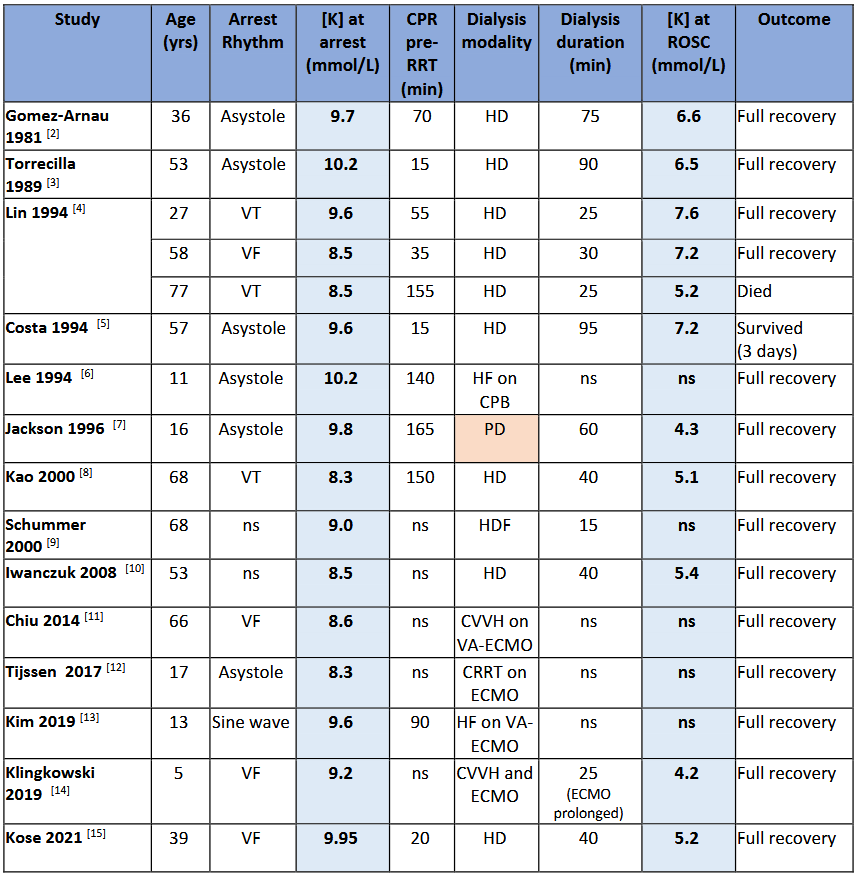
Table 39: Outcome of hyperkalaemic cardiac arrest with RRT during CPR.
(ns = not specified)
The ERC Guidelines (2021) suggest considering dialysis initiation for hyperkalaemic cardiac arrest resistant to medical therapy.25 This recommendation was based on several considerations:
- Firstly, the reports of successful outcomes of hyperkalaemic cardiac arrest have demonstrated that it is technically feasible to dialyse during CPR. With the aid of the blood pump, a blood flow rate of up to 200 ml/min can be achieved with a chest compression rate of 100/min.
- Secondly, it seems logical to consider the most effective intervention for the most serious complication of hyperkalaemia, particularly when unresponsive to medical therapies.
- Thirdly, other invasive procedures are recommended for other special circumstances of cardiac arrest – cardiopulmonary bypass for hypothermia, chest drain insertion for tension pneumothorax and pericardiocentesis for cardiac tamponade. ECMO has also become increasingly utilised in resuscitation, including in hyperkalaemic cardiac arrest. Therefore, there is a clear rationale to considering dialysis for refractory hyperkalaemia.
- Fourthly, survival in patients with extreme hyperkalaemia is very low without the initiation of dialysis during CPR.
- Lastly, the evidence base for other interventions for hyperkalaemia, particularly calcium salts, is also limited, but has become standard medical practice. Large scale studies are unlikely to be feasible to demonstrate the efficacy of dialysis during CPR.
The practical approach to resuscitation for refractory hyperkalaemic cardiac arrest is not included in renal specialist training programs, therefore most renal physicians may be reluctant to consider this largely because of inexperience and the expectation of technique failure. However, the resuscitation team will be even less knowledgeable about dialysis and the management of hyperkalaemia in cardiac arrest and will look to the renal team for guidance. Given the sparsity of information available, a review of the modifications in advanced life support in dialysis patients was previously reported.26 A summary of the procedure is outlined in Table 40.
Once CPR is underway, initiate medical treatment for hyperkalaemia and seek expert help early during the resuscitation attempt. If hyperkalaemia is suspected (e.g. dialysis patient or pre arrest ECG changes), treat even before the serum K+ is known. Monitor serum K+ (using blood gas analyser) every 15 minutes to assess response to treatment. Monitor blood glucose to assess for hypoglycaemia.
Next, consider if medical treatment alone is likely to be effective. Ultimately, the severity of hyperkalaemia, the initial response to medical therapy, the suitability of the patient and the availability of dialysis facilities provide the best guide for considering dialysis in cardiac arrest. This intervention is unlikely to be available outwith a Renal Unit or Critical Care area.
Next, plan ahead and consider the timing for initiation of dialysis. Analysis of the case reports suggest that the mean duration of CPR before initiation of HD/CVVH was 74 minutes (range 15–150 minutes). The mean duration of dialysis to achieve ROSC was 45.4 minutes (range 15–95 minutes). There appeared to be an inverse relationship between duration of CPR and duration of dialysis required to achieve ROSC. Given that dialysis initiation will require some planning, it is reasonable to start preparations early and to consider initiation if ROSC is not achieved within 15 minutes. Notably, prolonged refractory cardiac arrest is often associated with a poor outcome emphasising a role for ECMO if available.
Use existing dialysis access (i.e. fistula or tunnel dialysis catheter) to initiate dialysis if available. If dialysis access is not available, the most practical approach during cardiac arrest is the insertion of a femoral line using ultrasound guidance.
Anticipate that the resuscitation attempt will be prolonged. Therefore the use of mechanical devices to perform chest compressions (e.g. LUCAS2, Autopulse) should be considered. ECMO offers greater opportunities for prolonged cardiac arrest management and can be used simultaneously with dialysis where available.6,11 14 Studies reported over the last three decades suggests that chest compression can support adequate blood flow for RRT during CPR. Given that defibrillation is frequently unsuccessful until the serum K+ is controlled, analogous to rewarming for hypothermic cardiac arrest, defibrillation can be paused until K+ level is adequately controlled with dialysis. ROSC was achieved at a mean K+ level of 6.0 mmol/l in available studies.
“Like most things in life, you may not always succeed, but failure is usually guaranteed if you do not try.”27
Initial Approach
- Follow ALS Algorithm
- Give medical treatment for hyperkalaemia during CPR as per Hyperkalaemic Cardiac Arrest Algorithm
- Refer for Expert Help
- Consider mechanical chest compression device
Preparation for Dialysis Initiation
- If ROSC not achieved within 15 minutes consider initiating dialysis if clinically appropriate.
- Choose RRT modality depending on local availability
- Consider ECMO if available
- Use renal trained nurse (preferably two) to deliver dialysis treatment
- Prepare dialysis machine with a low K+ dialysate
- Use existing dialysis access (i.e. fistula or line) if available or alternatively insert dialysis line whilst machine is being prepared – use femoral vein with ultrasound guidance; easier site during CPR
Initiation of Dialysis during CPR
- Give fluid bolus (250ml) once connected to dialysis machine and record starting time
- Start with pump speed of 100ml/min and gradually increase aiming for 200ml/min
- Give anticoagulation unless contraindicated (e.g. history of trauma)
- Give further IV Calcium Chloride if resuscitation is prolonged
- Check K+ level at least every 15 min using arterial blood gas analyser and monitor blood glucose
- Allow time for K+ lowering on dialysis before attempting further defibrillation
Defibrillation
- Do not perform defibrillation during dialysis unless machine is defibrillation proof
- Disconnect patient from dialysis machine just before defibrillation, then immediately reconnect
- If ROSC achieved, resume dialysis until serum K+ < 6.5 mmol/L to maintain ROSC
- If ROSC not achieved, resume dialysis until serum K+ < 6.5 mmol/L and attempt defibrillation again if shockable rhythm
Post resuscitation care
- Re assess serum K+, blood glucose and ECG when ROSC achieved
- Terminate dialysis when serum K+ controlled (K+ < 6.5 mmol/L) and cardiac rhythm stable
- Record time of termination of dialysis and serum K+ at ROSC
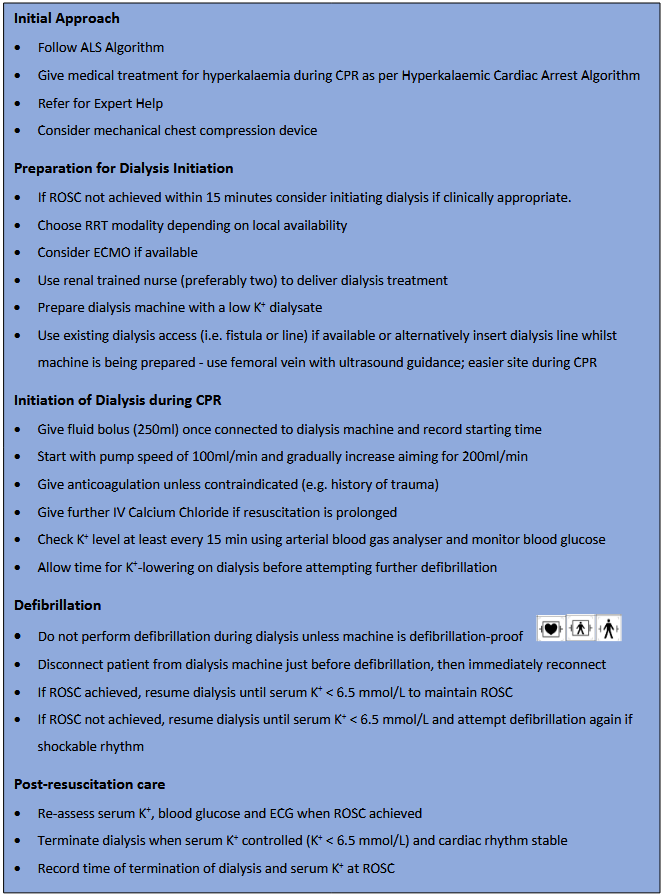
Table 40: Summary of procedure for initiation of dialysis during CPR.
References
- Wang, C.H., et al., The effects of calcium and sodium bicarbonate on severe hyperkalaemia during cardiopulmonary resuscitation: A retrospective cohort study of adult in hospital cardiac arrest. Resuscitation, 2016. 98: p. 105 11.
- Gomez Arnau, J., et al., Hyperkalaemic cardiac arrest: prolonged heart massage and simultaneous hemodialysis. Crit Care Med, 1981. 9(7): p. 556 7.
- Torrecilla, C. and J.L. de la Serna, Hyperkalaemic cardiac arrest, prolonged heart massage and simultaneous hemodialysis. Intensive Care Med, 1989. 15(5): p. 325 6.
- Lin, J.L., et al., Outcomes of Severe Hyperkalemia in Cardiopulmonary Resuscitation with Concomitant Hemodialysis. Intensive Care Medicine, 1994. 20(4): p. 287 290.
- Costa, P., E. Visetti, and C. Canavese, Double simultaneous hemodialysis during prolonged cardiopulmonary resuscitation for hyperkalaemic cardiac arrest. Case report. Minerva Anestesiol, 1994. 60(3): p. 143 4.
- Lee, G., J.F. Antognini, and G.A. Gronert, Complete Recovery after Prolonged Resuscitation and Cardiopulmonary Bypass for Hyperkalemic Cardiac Arrest. Anesthesia and Analgesia, 1994. 79(1): p. 172 174.
- Jackson, M.A., R. Lodwick, and S.G. Hutchinson, Hyperkalaemic cardiac arrest successfully treated with peritoneal dialysis. BMJ, 1996. 312(7041): p. 1289 90.
- Kao, K.C., et al., Hyperkalemic cardiac arrest successfully reversed by hemodialysis during cardiopulmonary resuscitation: case report. Chang Gung Med J, 2000. 23(9): p. 555 9.
- Schummer, W.J. and C. Schummer, Cardiac arrest in multiple visceral organ transplantation: successful treatment with continuous venovenous hemodiafiltration. Anesthesiology, 2000. 93(2): p. 589.
- Iwanczuk, W., [Haemodialysis during resuscitation from hyperkalaemic cardiac arrest]. Anestezjol Intens Ter, 2008. 40(3): p. 169 72.
- Chiu, C.C., et al., Severe hyperkalemia with refractory ventricular fibrillation: successful resuscitation using extracorporeal membrane oxygenation. Am J Emerg Med, 2014. 32(8): p. 943 e5 6.
- Tijssen, J.A. and G. Filler, When CRRT on ECMO Is Not Enough for Potassium Clearance: A Case Report. Can J Kidney Health Dis, 2017. 4: p. 2054358117722559.
- Kim, S.H., J.H. Song, and K.T. Jung, Combination of extracorporeal membrane oxygenation and inline hemofiltration for the acute hyperkalemic cardiac arrest in a patient with Duchenne muscular dystrophy following orthopedic surgery a case report. Korean Journal of Anesthesiology, 2019. 72(2): p. 178 183.
- Klingkowski, U., et al., Refractory hyperkalaemic cardiac arrest What to do first: Treat the reversible cause or initiate E CPR? Resuscitation, 2019. 142: p. 81.
- Kose, N. and F. Bilgin, Successful Treatment of a Patient with Cardiac Arrest Due to Hyperkalemia by Prolonged Cardiopulmonary Resuscitation along with Hemodialysis: A Case Report and Review of the Literature. Medicina (Kaunas), 2021. 57(8).
- Murakami, T., et al., Accidental Hypothermia Treated by Hemodialysis in the Acute Phase: Three Case Reports and a Review of the Literature. Intern Med, 2019.
- Rahman, S., et al., Early use of hemodialysis for active rewarming in severe hypothermia: a case report and review of literature. Ren Fail, 2012. 34(6): p. 784 8.
- Singh, T. and K.R. Hallows, Hemodialysis for the treatment of severe accidental hypothermia. Semin Dial, 2014. 27(3): p. 295 7.
- Alfonzo, A., et al., Survival after 5 h resuscitation attempt for hypothermic cardiac arrest using CVVH for extracorporeal rewarming. Nephrology Dialysis Transplantation, 2009. 24(3): p. 1054 1056.
- Hughes, A., P. Riou, and C. Day, Full neurological recovery from profound (18.0 degrees C) acute accidental hypothermia: successful resuscitation using active invasive rewarming techniques. Emerg Med J, 2007. 24(7): p. 511 2.
- Kes, P., D. Orlic Cunovic, and N. Trubelja, A life threatening complication of extreme hyperkalemia in a patient on maintenance hemodialysis. Acta Med Croatica, 1995. 49(3): p. 147 50.
- Tran, H.A., Extreme hyperkalemia. South Med J, 2005. 98(7): p. 729 32.
- Kose, N. and F. Bilgin, Successful Treatment of a Patient with Cardiac Arrest Due to Hyperkalemia by Prolonged Cardiopulmonary Resuscitation along with Hemodialysis: A Case Report and Review of the Literature. Medicina (Kaunas), 2021. 57(8).
- Murakami, T., et al., Accidental Hypothermia Treated by Hemodialysis in the Acute Phase: Three Case Reports and a Review of the Literature. Intern Med, 2019.
- Rahman, S., et al., Early use of hemodialysis for active rewarming in severe hypothermia: a case report and review of literature. Ren Fail, 2012. 34(6): p. 784 8.
- Singh, T. and K.R. Hallows, Hemodialysis for the treatment of severe accidental hypothermia. Semin Dial, 2014. 27(3): p. 295 7.
- Alfonzo, A., et al., Survival after 5 h resuscitation attempt for hypothermic cardiac arrest using CVVH for extracorporeal rewarming. Nephrology Dialysis Transplantation, 2009. 24(3): p. 1054 1056.