
II. Hyperkalaemia in Hospitalised Patient (Guidelines Hyperkalaemia 18.1 – 18.4)
Guideline 18.1 Hyperkalaemia: Treatment in haemodialysis patients
We recommend that haemodialysis patients with severe hyperkalaemia (serum K+ ≥ 6.5 mmol/L) receive dialysis treatment urgently. (1A)
Guideline 18.2 Hyperkalaemia: Treatment in haemodialysis patients
We recommend that haemodialysis patients with severe hyperkalaemia (serum K+ ≥ 6.5 mmol/L) and toxic ECG changes be treated with intravenous calcium salt to reduce risk of arrhythmias even when dialysis is immediately available. (1C)
Guideline 18.3 Hyperkalaemia: Treatment in haemodialysis patients
We recommend that haemodialysis patients with severe hyperkalaemia (serum K+ ≥ 6.5 mmol/L) be treated with standard medical therapies to lower serum potassium if dialysis is not immediately available. (1B)
Guideline 18.4 Hyperkalaemia: Treatment in haemodialysis patients
We suggest that potassium binders may be considered to reduce the risk of hyperkalaemia during the inter dialytic period. (1B)
Audit measures
The incidence of patients requiring emergency dialysis for severe hyperkalaemia.
Rationale (Guidelines 18.1 – 18.4)
Haemodialysis (HD) patients have a high risk of hyperkalaemia. Hyperkalaemia has been found to be a significant factor contributing to mortality in dialysis patients1 6 and was shown to be responsible for 3–5% of deaths.1,4 Factors contributing to hyperkalaemia in HD patients are summarised in Table 29. These include dietary K+ intake, frequency and duration of dialysis, blood glucose level and constipation.7 9
The most common time for hyperkalaemic events in HD patients is immediately after the 3 day weekend break (i.e. Mondays for patients dialysed on Mon/Wed/Fri or Tuesdays for patients dialysed on Tue/Thu/Sat).10,11 The long inter dialytic break also correlates with hospitalisation12,13 and mortality in HD patients.10,13 15 The PORTEND (Potassium and Cardiac Rhythm Trends in MainENance HemoDialysis) observational study showed an incidence of pre dialysis hyperkalaemia (K+ > 5.0 mmol/l) after the long inter dialytic interval of 37% in patients dialysing on a dialysate K+ concentration of ≤ 2mmol/l and 21% in patients dialysing on a dialysate K+ ≥ 3mmol/l.16 The UK Renal Association Clinical Practice Guideline on Haemodialysis (2019) recommends an optimal pre dialysis serum K+ in the range of 4.0 – 6.0 mmol/l.17
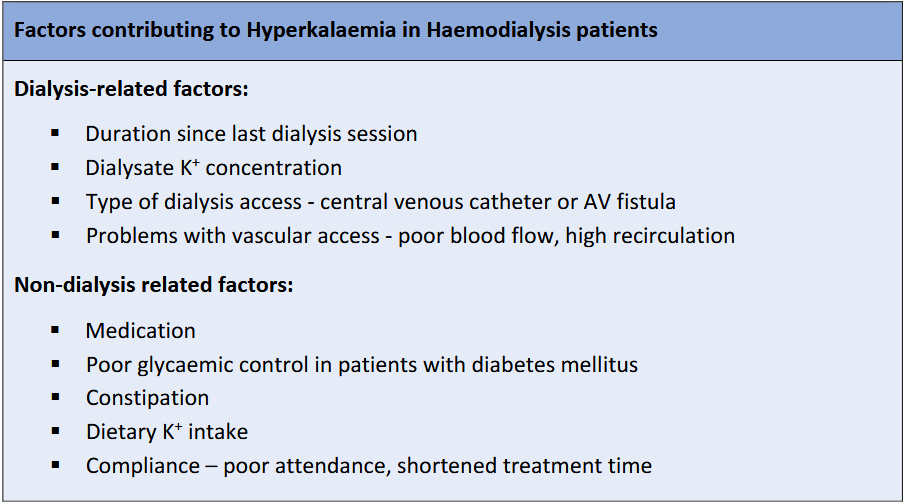
Table 29: Factors associated with an increased risk of hyperkalaemia in HD patients.
Dialysis related factors:
- Duration since last dialysis session
- Dialysate K+ concentration
- Type of dialysis access central venous catheter or AV fistula
- Problems with vascular access poor blood flow, high recirculation
Non dialysis related factors:
- Medication
- Poor glycaemic control in patients with diabetes mellitus
- Constipation
- Dietary K+ intake
- Compliance – poor attendance, shortened treatment time
Dialysis
Dialysis is the definitive treatment for hyperkalaemia in patients receiving long term HD. In one report, hyperkalaemia was the reason for emergency dialysis 24% of the time in their maintenance HD program.18 Although a degree of ‘tolerance’ to hyperkalaemia has been postulated in HD patients,19 there remains a risk of arrhythmias, cardiac arrest or sudden death in HD patients with severe hyperkalaemia.
Each HD session removes approximately 70 – 100 mmol K+.20 The dialysate K+ concentration determines the rate of K+ removal. Serum K+ concentration typically falls by 1 mmol/l during the first hour of dialysis when the gradient between the serum and dialysate K+ is highest, then by 1 mmol/l over the next 2 hours.20 The serum K+ reaches a steady state during the last hour of the treatment. The choice of dialysate fluid is guided by the severity of hyperkalaemia as shown below in Table 30. The use of a 1 mmol/l K+ dialysate fluid is potentially associated with an increased risk of arrhythmias,21 therefore telemetry and close monitoring of K+ level is essential. An alternative approach is the use of sequential dialysis sessions.22
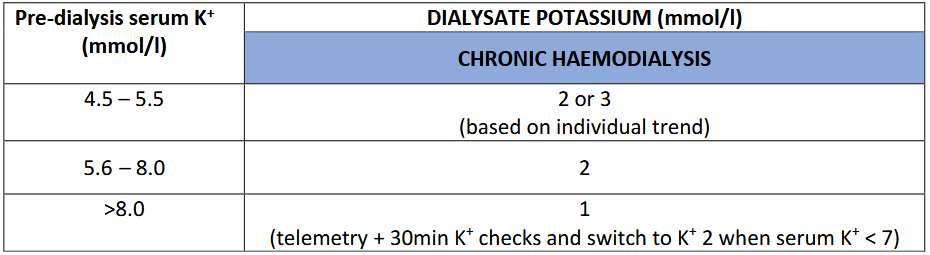
Table 30: Dialysate K+ prescription in chronic HD patients.22
Bridging to dialysis initiation
Intravenous calcium reduces the risk of arrhythmias (Guideline 16.2), therefore is warranted in patients with severe hyperkalaemia and toxic ECG changes even if dialysis can be established quickly. More frequently, dialysis may not be immediately available and temporising measures will also be necessary. Drugs used in lowering the serum K+ may have variable efficacy in HD patients. Fortunately, the K+ lowering effect of insulin is preserved in patients with renal failure,23 but these patients are more prone to hypoglycaemia. Although some studies have suggested a lower dose of insulin in treating patients with poor renal function,24,25 a pre treatment blood glucose < 7 mmol/l was the most consistent risk factor for hypoglycaemia (Guideline 16.3). The effectiveness of salbutamol may be reduced, with studies demonstrating up to 40% of patients with ESRD appear to be resistant to the hypokalaemic effect of salbutamol, even those who are not receiving beta blockers.26,27 Medical therapies provide a bridge to dialysis initiation, but a gradual rebound in hyperkalaemia should be anticipated.

The use of drugs to shift K+ from the extra to intracellular space reduces serum K+ without reducing the total body K+. This transcellular shift is thought to reduce the amount of K+ available in the serum to be removed during HD. Driver et al conducted a retrospective study (n=479) in patients presenting to the Emergency Department with hyperkalaemia who subsequently underwent HD.28 Shifting medication was administered in 50% of patients. Recurrent hyperkalaemia within 24 hours occurred in 27% of patients who received shifting drugs versus 18% in those who did not. Repeat HD within 24 hours was required in 30% of patients who received shifting drugs and 25% in those who did not. The authors concluded that transcellular K+ shifting before emergent dialysis is not associated with recurrent hyperkalaemia or need for multiple HD sessions, however it is noteworthy that the median time from drug administration to start of HD was 4.2 hours (2.5–8.4 hours) and the effect of drugs may have worn off.
Prevention
Until recently, the options for preventing hyperkalaemia in HD patients has been limited to dietary K+ restriction and low K+ dialysis solutions. Novel potassium binders may provide an additional strategy.29 Patiromer and SZC may help to control serum K+ levels in patients treated with less frequent HD. Selection of patients for this strategy is important as poor adherence to medication and diet could have potentially serious consequences.
Patiromer: Three studies have investigated the use of patiromer in HD patients.30 32 Kovesky et al demonstrated that patiromer reduced serum K+ by an average of 0.5 mmol/l and in HD patients with severe hyperkalaemia (K+ ≥ 6.5 mmol/l), the reduction was in the order of 1.0 mmol/l.31 The relative proportion of patients with severe hyperkalaemia in this study was reduced by approximately 50%. Similarly, Chatoth et al showed a reduction in the number of hyperkalaemic events and hospitalisation in HD patients treated with patiromer.32 Bushinsky et al performed an inpatient study of only 6 HD patients showing a significant decrease in serum K+.30 Given that patiromer uses Ca2+ as the counter exchange cation for K+, there is a potential risk of increased vascular calcification. Phosphate binders were generally withheld during patiromer trials, therefore these factors may have implications for long term management in dialysis patients.
The TWOPLUS HD pilot trial studied twice versus thrice weekly HD in patients with incident ESRD to investigate whether patiromer can have a dialysis sparing effect.33 Patiromer was included in the protocol for the Incremental HD group. One episode of hyperkalaemia occurred in the Incremental group and none in the conventional group.
SZC: The DIALIZE trial was a Phase IIIB RCT designed to evaluate SZC in controlling hyperkalaemia in haemodialysis (HD) patients.34 This was the first randomised, double blind, placebo controlled trial to assess a potassium binder in HD patients. The primary endpoint was the proportion of patients who maintained pre dialysis serum K+ of 4.0 – 5.0 mmol/l during at least 3 long interdialytic periods over the 4 week evaluation period that followed dose titration. The study demonstrated a significant reduction in pre dialysis hyperkalaemia at the highest risk period (41.2% vs 1.0% in the placebo arm) and a reduction in need for emergency treatment for hyperkalaemia (2.1% vs 5.1% in placebo arm).
The DIALIZE Outcome study (NCT03303521) is an ongoing multi centre RCT in chronic HD patients to evaluate the efficacy of SZC in reducing occurrence of sudden cardiac death, stroke, emergency department attendances, arrhythmia related hospital admission.35
References
- Shibata, M., T. Kishi, and H. Iwata, Clinical study of complications in dialyzed diabetics. Tohoku J Exp Med, 1983. 141 Suppl: p. 417–25.
- Lowrie, E.G. and N.L. Lew, Death risk in hemodialysis patients: the predictive value of commonly measured variables and an evaluation of death rate differences between facilities. Am J Kidney Dis, 1990. 15(5): p. 458–82.
- Kovesdy, C.P., et al., Serum and dialysate potassium concentrations and survival in hemodialysis patients. Clin J Am Soc Nephrol, 2007. 2(5): p. 999–1007.
- Morduchowicz, G., et al., Causes of Death in Patients with End Stage Renal Disease Treated by Dialysis in a Center in Israel. Israel Journal of Medical Sciences, 1992. 28(11): p. 776–779.
- Unruh, M.L., et al., Skipped treatments, markers of nutritional nonadherence, and survival among incident hemodialysis patients. Am J Kidney Dis, 2005. 46(6): p. 1107–1116.
- Iseki, K., et al., Impact of the initial levels of laboratory variables on survival in chronic dialysis patients. Am J Kidney Dis, 1996. 28(4): p. 541–8.
- Rossignol, P., et al., Hyperkalemia prevalence, recurrence and management in chronic haemodialysis: a prospective multicentre French regional registry 2 year survey. Nephrol Dial Transplant, 2017. 32(12): p. 2112–2118.
- Sumida, K., K. Yamagata, and C.P. Kovesdy, Constipation in CKD. Kidney Int Rep, 2020. 5(2): p. 121–134.
- Genovesi, S., et al., Sudden cardiac death in dialysis patients: different causes and management strategies. Nephrol Dial Transplant, 2019.
- Bleyer, A.J., G.B. Russell, and S.G. Satko, Sudden and cardiac death rates in hemodialysis patients. Kidney Int, 1999. 55(4): p. 1553–1559.
- Yusuf, A.A., et al., Serum Potassium Levels and Mortality in Hemodialysis Patients: A Retrospective Cohort Study. Am J Nephrol, 2016. 44(3): p. 179–86.
- Fotheringham, J., et al., The mortality and hospitalization rates associated with the long interdialytic gap in thrice weekly hemodialysis patients. Kidney Int, 2015. 88(3): p. 569–75.
- Foley, R.N., et al., Long interdialytic interval and mortality among patients receiving hemodialysis. N Engl J Med, 2011. 365(12): p. 1099–107.
- Karnik, J.A., et al., Cardiac arrest and sudden death in dialysis units. Kidney Int, 2001. 60(1): p. 350–7.
- Zhang, H., et al., Dialysis outcomes and analysis of practice patterns suggests the dialysis schedule affects day of week mortality. Kidney Int, 2012. 81(1): p. 1108–15.
- Potassium and Cardiac Rhythm Trends in MaintENance HemoDialysis (PORTEND). ClinicalTrials.gov; NCT02609841.
- Ashby, D., et al., UK Renal Association Clinical Practice Guideline Haemodialysis. July 2019. www.renal.org/wp content/uploads/2019/10/FINAL HD Guideline.pdf.
- Sacchetti, A., et al., ED hemodialysis for treatment of renal failure emergencies. Am J Emerg Med, 1999. 17(3): p. 305–7.
- Frohnert, P.P., et al., Statistical investigation of correlations between serum potassium levels and electrocardiographic findings in patients on intermittent hemodialysis therapy. Circulation, 1970. 41(4): p. 667–76.
- Bansal, S. and P.E. Pergola, Current Management of Hyperkalemia in Patients on Dialysis. Kidney Int Rep, 2020. 5(6): p. 779–789.
- Pun, P.H., et al., Modifiable risk factors associated with sudden cardiac arrest within hemodialysis clinics. Kidney Int, 2011. 79(2): p. 218–27.
- Prikbuaer, M., Hemodialysis treatment in patients with severe electrolyte disorders: Management of hyperkalemia and hyponatremia. Hemodial Int, 2020.
- Alvestrand, A., et al., Insulin mediated potassium uptake is normal in uremic and healthy subjects. Am J Physiol, 1984. 246(2 Pt 1): p. E174–80.
- Pierce, D.A., G. Russell, and J.L. Pirkle, Jr., Incidence of Hypoglycemia in Patients With Low eGFR Treated With Insulin and Dextrose for Hyperkalemia. Ann Pharmacother, 2015. 49(12): p. 1322–6.
- McNicholas, B.A., et al., Treatment of Hyperkalemia With a Low Dose Insulin Protocol Is Effective and Results in Reduced Hypoglycemia. Kidney Int Rep, 2018. 3(2): p. 328–336.
- Allon, M., R. Dunlay, and C. Copkney, Nebulized albuterol for acute hyperkalemia in patients on hemodialysis. Ann Intern Med, 1989. 110(6): p. 426–9.
- Allon, M. and C. Copkney, Albuterol and insulin for treatment of hyperkalemia in hemodialysis patients. Kidney Int, 1990. 38(5): p. 869–872.
- Driver, B.E., et al., Is Transcellular Potassium Shifting With Insulin, Albuterol, or Sodium Bicarbonate in Emergency Department Patients With Hyperkalemia Associated With Recurrent Hyperkalemia After Dialysis? J Emerg Med, 2018. 55(1): p. 15–22.e3.
- Palmer, B.F., Potassium Binders for Hyperkalemia in Chronic Kidney Disease—Diet, Renin Angiotensin–Aldosterone System Inhibitor Therapy, and Hemodialysis. Mayo Clin Proc, 2020. 95(2): p. 339–354.
- Bushinsky, D.A., et al., Patiromer Decreases Serum Potassium and Phosphate Levels in Patients on Hemodialysis. Am J Nephrol, 2016. 44(5): p. 404–410.
- Kovesdy, C.P., et al., Real World Evaluation of Patiromer for the Treatment of Hyperkalemia in Hemodialysis Patients. Kidney Int Rep, 2019. 4(2): p. 301–309.
- Chatoth, D., et al., Real World Outcomes of Hyperkalemia Management with Patiromer in End Stage Renal Disease Patients Undergoing Hemodialysis in the United States. Nephrol Dial Transplant, 2017. 32: p. 657–+.
- Murea, M., et al., Twice Weekly Hemodialysis With Adjuvant Pharmacotherapy and Transition to Thrice Weekly Hemodialysis: A Pilot Study. Am J Kidney Dis, 2022. 80(2): p. 227–240.e1.
- Fishbane, S., et al., A Phase 3B, Randomized, Double Blind, Placebo Controlled Study of Sodium Zirconium Cyclosilicate for Reducing the Incidence of Predialysis Hyperkalemia. J Am Soc Nephrol, 2019. 30(9): p. 1723–1733.
- Fishbane, S., et al., Evaluation of the effect of sodium zirconium cyclosilicate on arrhythmia related cardiovascular outcomes in patients receiving chronic hemodialysis with hyperkalemia: protocol for the multicentre, randomised, controlled DIALIZE Outcomes study. BMJ Open, 2023. 13(5): p. e071309.