Skip to content
Home
Anaemia of CKD
Executive Summary
About this guideline
Introduction
Background
References
Summary of Clinical Practice Guidelines
Assessment for Anaemia of CKD (Guidelines 1.1 – 1.5)
Treatment of Anaemia of CKD with Iron (Guidelines 2.1 – 2.7)
Treatment of Anaemia with Erythropoiesis Stimulating Agents (Guidelines 3.1 – 3.17)
Treatment of Anaemia with HIF-PHI Agents (Guidelines 4.1 – 4.9)
Treatment of Anaemia of CKD with Blood Transfusions (Guidelines 5.1 – 5.1.3)
Management of Peri-Transplant and Post-Transplant Anaemia (Guidelines 6.1 – 6.3.3)
Special Populations (Guidelines 7.1 – 7.3)
Summary of Audit Measures on Anaemia of CKD
Summary of Research Recommendations
Rationale for Clinical Practice Guidance
New Therapies for Consideration in the Future
Lay Summary
Patient Information Leaflet for Anaemia of CKD
Authors
Guidelines
Anaemia of CKD Guideline
Blood Pressure
Haemodialysis
Hyperkalaemia
SGLT-2
Guidelines Library
Linkedin Instagram Youtube Facebook
Home
SGLT 2
2023 Update: Summary of changes to Recommendations
Summary of Recommendations
Section 1: Background, aims and concise methods
1.1 Summary
1.2 Introduction
1.3 Molecular Mechanisms Of Action Of SGLT2I  Inhibition
1.5 Guideline Aims & Development
1.6 References
Section 2: SGLT 2 inhibition and kidney protection in people with CKD in the context of type 2 diabetes mellitus
2.1 Background
2.2 Recommendations For Use
2.3 Clinical Research Recommendations
2.4 Recommendations For Implementation
2.5 Audit Measures
2.6 References
Section 3: SGLT 2 inhibition and kidney protection in people with CKD without diabetes mellitus
3.1 Background
3.2 Recommendations For Use
3.3 Clinical Research Recommendations
3.4 Recommendations for Implementation
3.5 Audit Measures
3.6 References
Section 4: Selection of SGLT 2 inhibitors
4.1 Background
4.2 Current Licensed Indications for SGLT 2 Inhibitor Use
4.3 References
Section 5: Prescribing SGLT 2 inhibitors safely
5.0 Background
5a. Diabetic ketoacidosis
5b. Hypoglycaemia
5c. Acute Kidney Injury, Hypovolaemia and Potassium
5d. Peripheral vascular disease and amputation risk
5e. Fracture risk
5f. Multimorbidity and frailty
5g. Mycotic genital infections and Fournier’s gangrene
5h. Urinary tract infections
5i. Children, pregnancy and breast feeding
5.1 References
Section 6: Lay summaries and patient information leaflets
6.0 Background
6.1 Lay Executive Summary
6.2 Full Summary of Guideline
6.3 Example Patient Information Sheet for a Person being Initiated on an SGLT 2 Inhibitor who also has Diabetes
6.4 Example Patient Information Sheet for a Patient being Initiated on an SGLT 2 Inhibitor who does not have Diabetes
Section 7: Use in special populations of specific interest
7a. Type 1 diabetes mellitus (DM)
7b. Kidney transplant recipients
7c. Acute decompensated heart failure
7.1 References
List of Abbreviations
Appendix
Appendix I: Systematic literature review design and results
Appendix II: Revision history
Appendix III: Working group membership affiliations
Authors
Guidelines
Anaemia of CKD
Blood Pressure
Haemodialysis
Hyperkalaemia
SGLT-2
Guidelines Library

Summary of Recommendations

Recommendations for Use in people with Type 2 DM

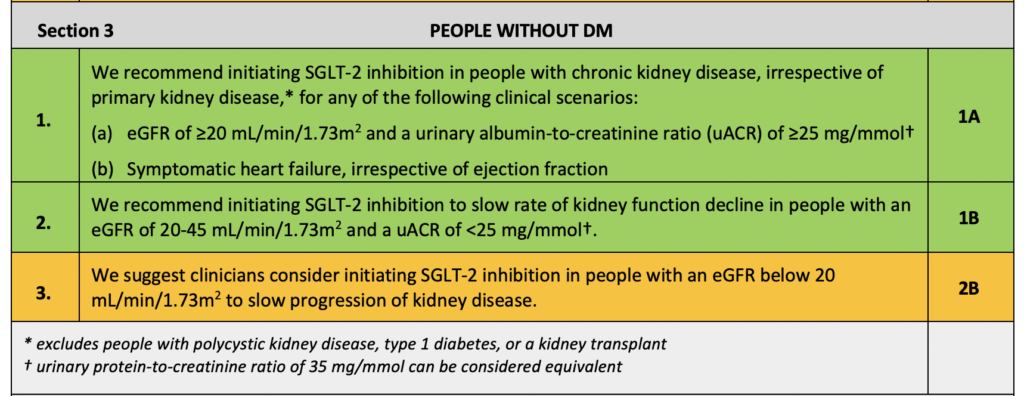
Recommendations for Use in people without DM

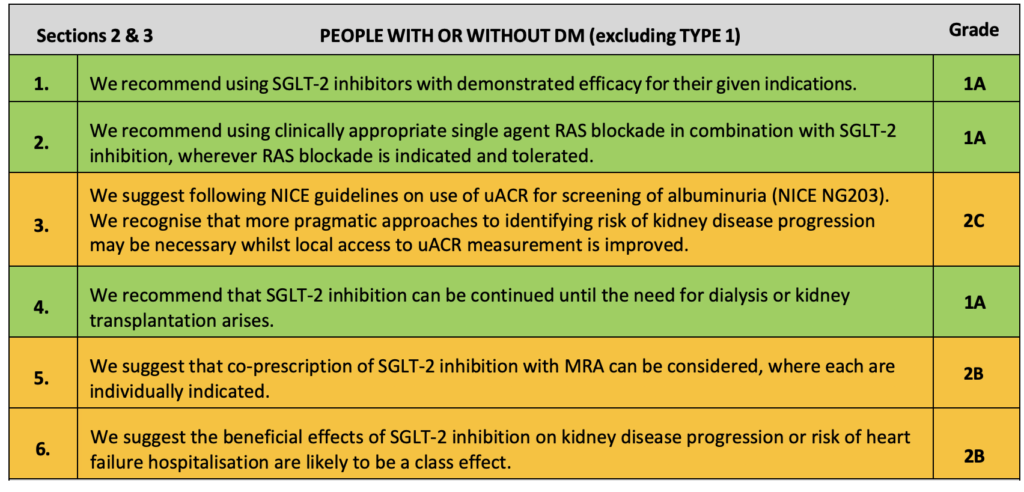
Recommendations for Implementation - People with or without DM (excluding Type 1 DM)

Section 5a - Diabetic Ketoacidosis

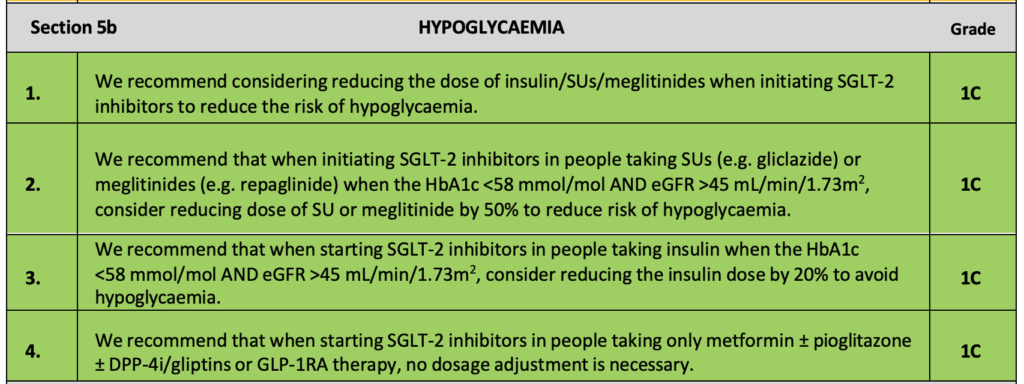
Section 5b - Hypoglycaemia

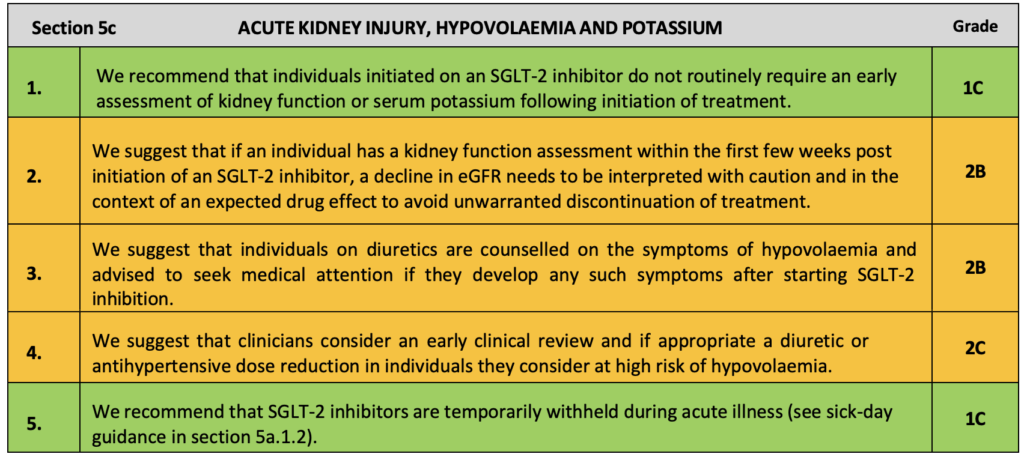
Section 5c - Acute Kidney Injury, Hypovolaemia and Potassium

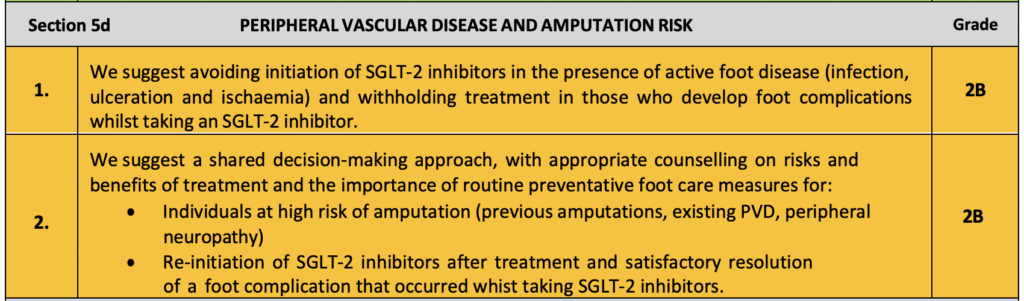
Section 5d - Peripheral Vascular Disease and Amputation Risk

Section 5e - Fracture Risk

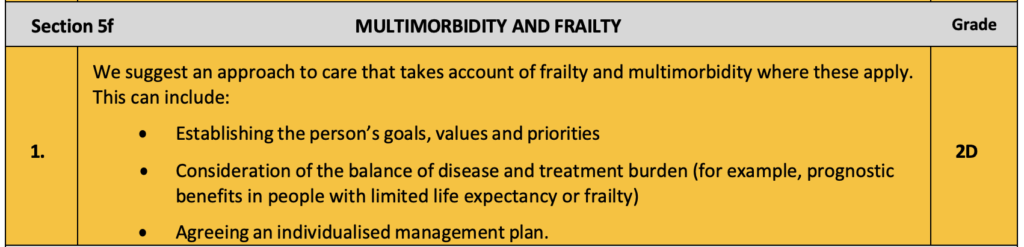
Section 5f - Multimorbidity and Frailty

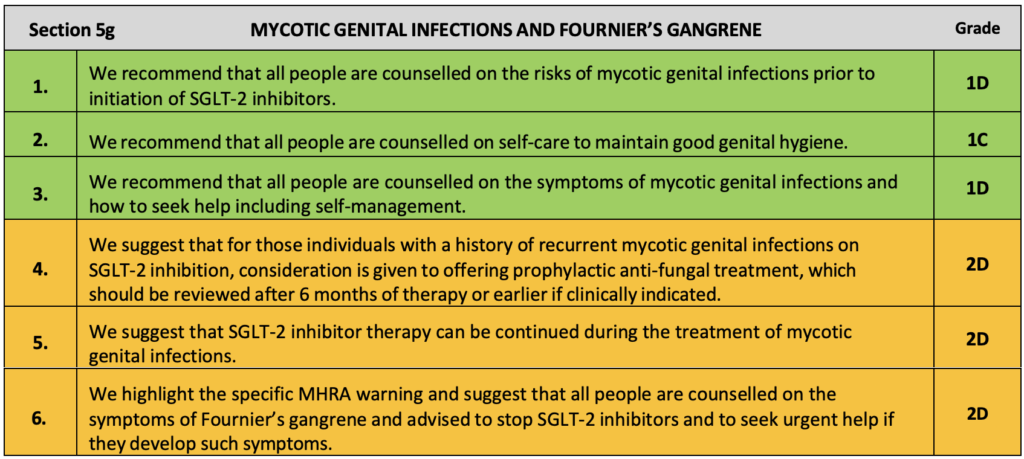
Section 5g - Mycotic Genital Infections and Fournier's Gangrene

Section 5h - Urinary Tract Infection

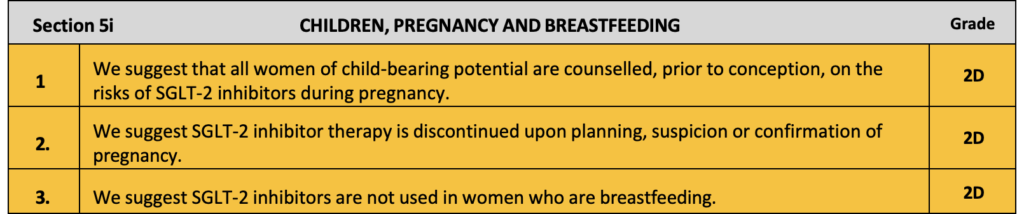
Section 5i - Children, Pregnancy, and Breastfeeding

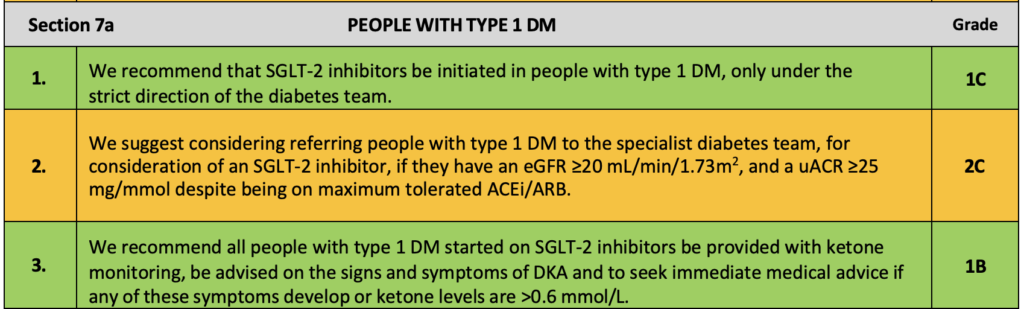
Section 7a - People with Type 1 DM

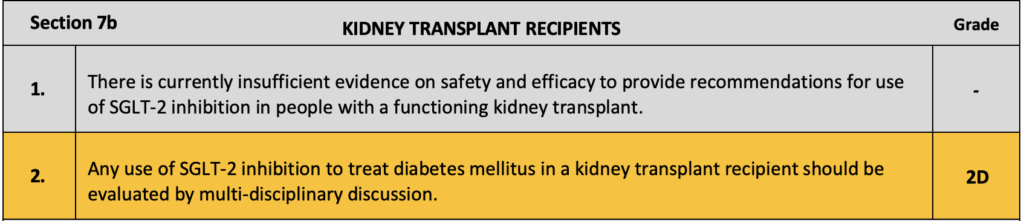
Section 7b - Kidney Transplant Recipients

Section 7c - Acute decompensated heart failure

Key: Green: Recommendations with Grade 1 evidence (“we recommend” statements); Yellow: Recommendations with Grade 2 evidence (“we suggest” statements). Further details on grading can be found in Section 1, Table 1.2.

  • NICE CKD guidance is available at www.nice.org.uk/guidance/ng203
  • For sick day rules also see Section 6’s template Patient Information Leaflets.
About the UKKA
Contact Us
About the UKKA
Contact Us

2026 The UK Kidney Association. All rights reserved