The UK adult population receiving dialysis continues to increase. Between 2020-2021, the annual increase was 1.5%, compared with 2-2.5% seen prior to the COVID-19 pandemic. The average age of adults receiving dialysis is older (66.1 years for HD and 63.3 years for PD) with a longer duration of therapy required (median duration 3.2 years) when compared with published registry data from 2010 (1, 2).
Cardiovascular (CV) disease remains one of the most significant causes of mortality in adults receiving dialysis, with an incidence of over 20%, and death from a primary CV disease cause is more likely in those less than 65 years of age (2). In children and young people (CYP) with end stage kidney disease (ESKD), similar trends are seen, with the current childhood dialysis population in the UK being the largest on record. CYP are waiting longer than before to receive a kidney transplant and CV disease remains the most common cause of morbidity and mortality for those receiving dialysis (2, 3).
Hypertension is one of the commonest modifiable causes of CV disease in adults receiving dialysis (4-7). In CYP on maintenance dialysis too, hypertension is the strongest risk factor for left ventricular hypertrophy (LVH), the most evaluated surrogate marker of CV abnormality in this population (8). Data from adults on long term dialysis additionally highlight increased CV risk from lower blood pressure (BP) and declining BP over time (4, 5).
This guideline has been developed with a focus on BP management, acknowledging the central role of body fluid status in adults and CYP receiving dialysis (6, 7). Existing guidance does not focus on the systematic evaluation of the evidence base for BP management in dialysis-dependent adults and CYP and, as such, highlights the need for specific guidelines (1, 6).
The authors of this report include a broad range of healthcare professionals with experience in kidney disease, including dietitians, pharmacists and both adult and paediatric kidney doctors, as well as a patient representative, who have worked together to review the evidence for management of BP in adults and CYP who are receiving dialysis for ESKD.
The main themes in this document include evaluation of the published evidence for: (i) measurement of BP; (ii) BP targets; (iii) lifestyle modifications; (iv) dialysis prescription modifications; (v) antihypertensive management to aid with BP control; (vi) dry weight optimisation in adults, and (vii) CYP receiving dialysis. Our overall aim with this guidance is to ensure a consistent and standardised approach to the management of BP in patients receiving dialysis across the UK, whilst striving to improve quality of care and reduce disparities in outcomes.
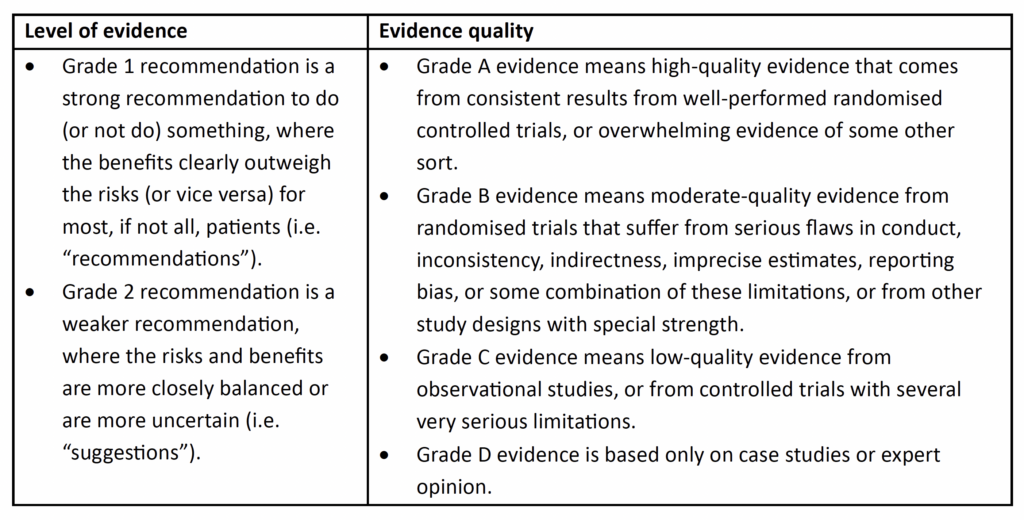
Table 1.1: UK Kidney Association’s grading system for recommendations’ strength and evidence quality